G2 Energy Solar Services Overview
G2 Energy integrates distributed generation, storage, and energy management to deliver measurable cost reduction and resiliency for commercial and residential customers. The offering combines turnkey engineering, permitting, procurement, installation, monitoring, and long term service agreements so projects move from feasibility to guaranteed performance with predictable timelines and financial outcomes.
Core services, system types, and benefits
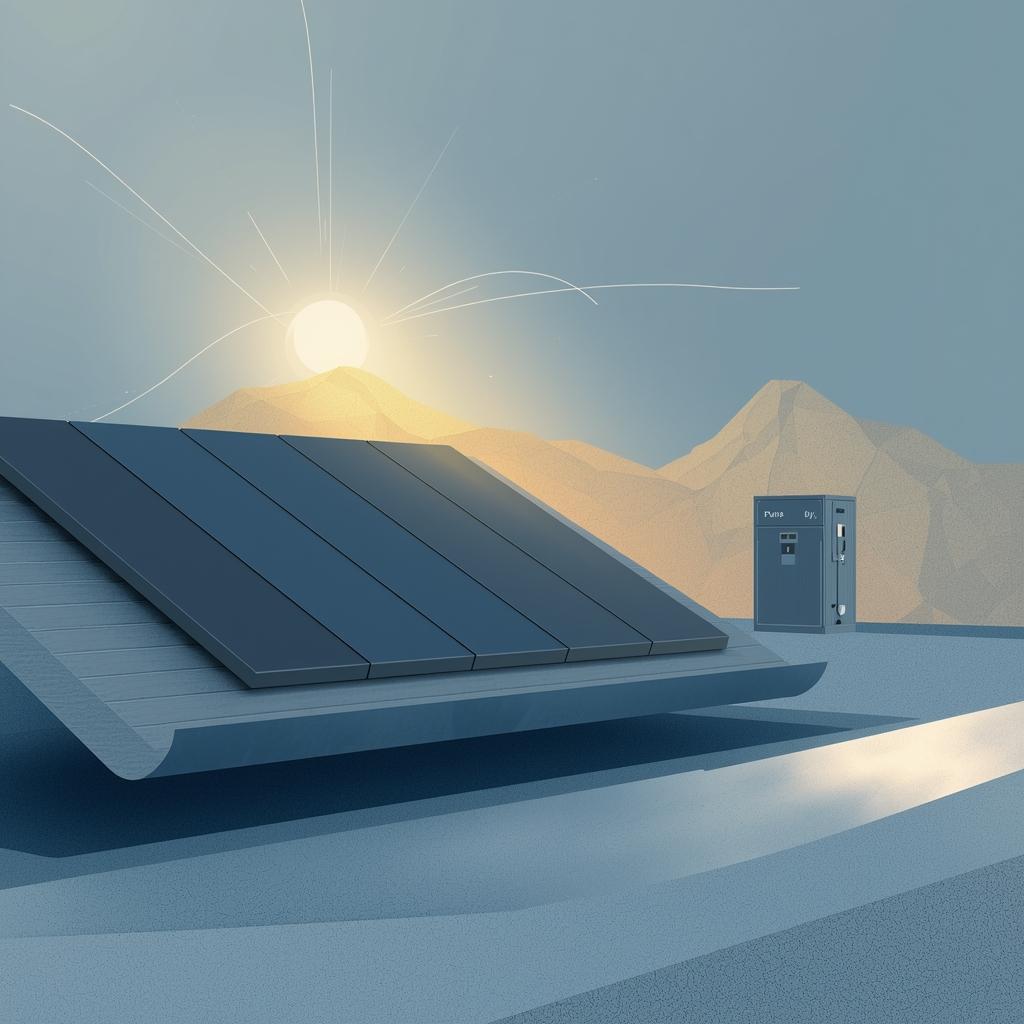
G2 Energy provides full lifecycle delivery for photovoltaic and battery projects sized for homes, commercial buildings, and industrial campuses. Systems commonly installed range from 6 kilowatt residential arrays to multi-megawatt commercial ground mount and rooftop projects. Compatible technologies include:
- grid-tied solar arrays with export capability and net metering
- coupled battery energy storage systems for peak shaving and backup
- hybrid microgrids that support critical loads during outages
The business case rests on quantifiable benefits. Typical impacts include reduced utility demand charges, hedge against rising electricity rates, increased uptime for mission critical operations, and access to tax incentives that materially shorten payback. Benefits realized by clients include improved power quality, local resilience during extreme weather events, and long term operational savings that scale with system size.
Site assessment, design, permitting, and incentives
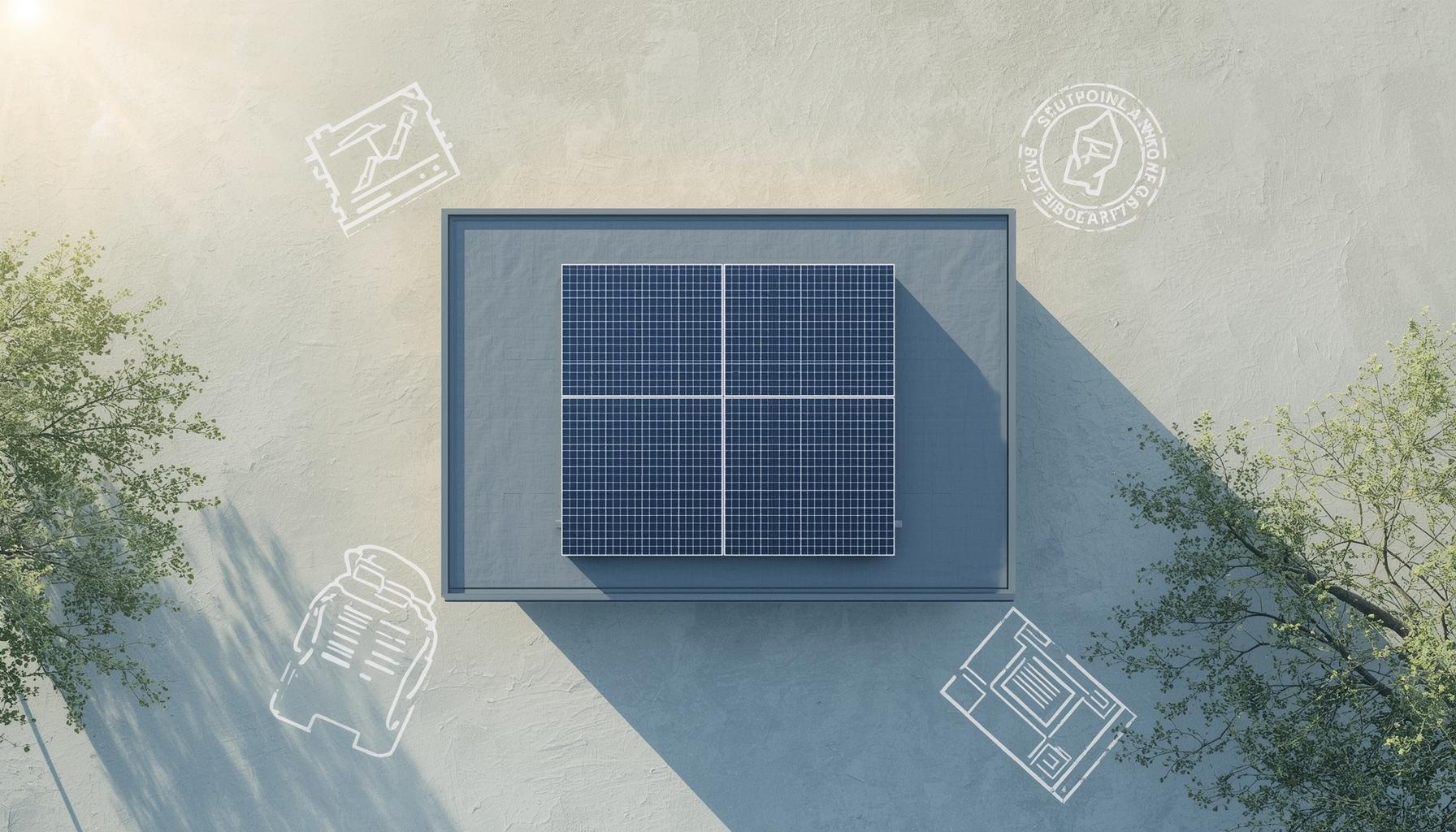
A rigorous site assessment is performed before design. Field crews collect roof condition data, shading analysis using LiDAR and drone imagery, interconnection capacity from the local utility, and an electrical load profile derived from utility interval meter data when available. Design delivers energy production models, one-line electrical drawings, structural calculations, and a schedule for permitting and installation.
Federal and state incentives remain a central part of financial modeling. The federal investment tax credit (ITC) established by the Inflation Reduction Act of 2022 provides a base credit of 30 percent for systems commencing construction through 2032, with additional adders tied to domestic content and location. Commercial projects may also utilize accelerated depreciation under the Modified Accelerated Cost Recovery System to improve near term cash flow.
Permitting and interconnection timelines vary by jurisdiction. Typical municipal plan review and utility interconnection approvals range from 30 to 120 days. G2 Energy maintains standardized documentation packages and a dedicated permitting coordinator to reduce cycle time and manage utility negotiations.
Financing, deployment scenarios, and storage strategies
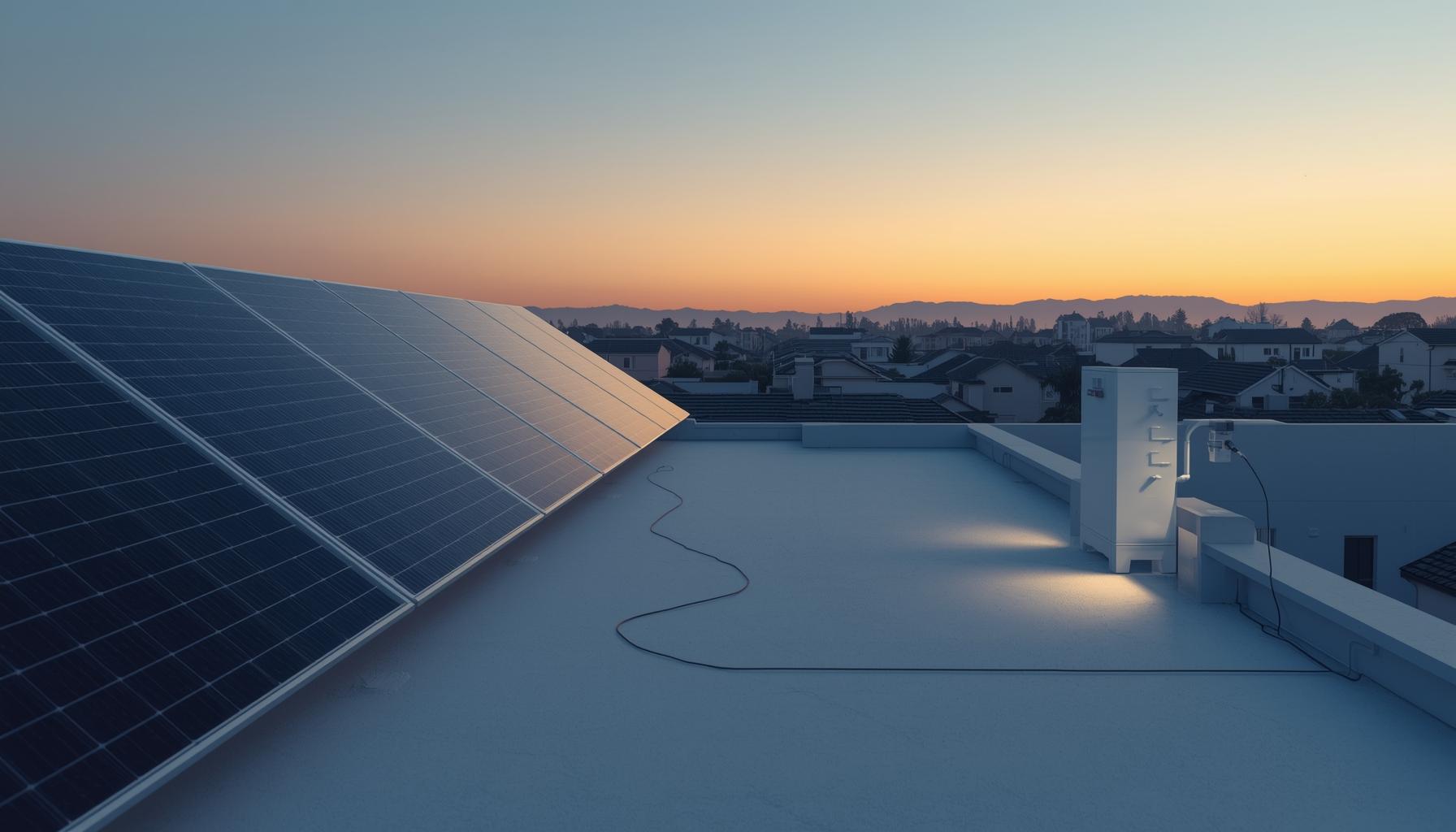
G2 Energy offers multiple ownership and financing options, including direct purchase, power purchase agreements with fixed rates, capital leases, and operating leases. For commercial clients, tax equity structures and loan financing backed by predictable cash flows are available. Financial models explicitly model demand charge reduction, time of use arbitrage, and incentives to produce realistic ROI and payback forecasts.
Storage integration is engineered around use case. For resilience and backup, a battery sized to critical load and discharge duration is prioritized. For bill management, batteries are sized to shave peak demand or perform daily arbitrage against time of use rates. Grid-tied systems remain the most common deployment; hybrid configurations with seamless transfer switches enable islanding for critical loads. True off-grid scenarios are designed with redundant generation and appropriately sized storage to meet autonomy targets.
Installation follows a standardized workflow to ensure safety and schedule adherence. A typical timeline includes pre-construction mobilization, structural reinforcement if required, electrical upgrades, array installation, commissioning tests, utility witnessing, and final documentation handoff. Safety protocols adhere to NEC 2023 where applicable and OSHA construction standards. All crews receive project-specific safety plans and regular audits.
Performance management, warranties, and long term support

Operational performance is managed through a remote analytics platform that ingests inverter, meter, and battery telemetry. Alerts for underperformance, fault conditions, and battery state of health enable rapid troubleshooting. Service offerings include preventative maintenance visits, warranty management, and performance guarantees tied to production levels with liquidated damages or remediation pathways if guarantees are missed.
Equipment selection emphasizes bankable brands and long lead procurement to mitigate supply chain risk. Vendor relationships allow bundled warranties and extended service contracts. For commercial clients, service level agreements define response times, escalation procedures, and scheduled reporting.
Training and customer onboarding focus on system operation, basic diagnostics, and financial reporting transparency. Owners receive an operations manual, access to the monitoring portal, and scheduled performance reviews during the warranty period. Scalability is supported through modular array design and battery add-on pathways that minimize future retrofit cost and disruption.
Return on investment is calculated with conservative production estimates, local electricity tariffs, incentive schedules, and realistic O&M costs. Typical residential payback under current incentives and average retail rates ranges from 6 to 10 years; commercial projects often see shorter paybacks driven by demand charge reduction and tax benefits. Real world projects delivered by G2 Energy include rooftop systems for manufacturing facilities, campus microgrids for healthcare providers, and residential community solar portfolios, each validated with measured generation and savings data.